Kategorie: Generell
Allgemeine Berichte aus der Welt, in der wir leben, der Politik und der Kultur Deutschlands und des Internets.
-
: Google droht mit Ende für Google News wegen Plänen für Leistungsschutzrecht

Google News ist der Zeitungskiosk des Internet. Nun könnte der Dienst sich aus Europa verabschieden. : Google droht mit Ende für Google News wegen Plänen für Leistungsschutzrecht In Brüssel planen EU-Verhandler eine europaweite Abgabe selbst auf kurze Textschnipsel. Google passt das nicht in den Kram. Top-Manager Richard Gingras stellt deshalb ein Aus für seinen Aggregatorendienst Google News in Aussicht.
-
: This week @netzpolitik.org, #47: Surveillance and Savants

: This week @netzpolitik.org, #47: Surveillance and Savants Welcome to our highlights of net political news from Germany, week 47.
Who wins the contracts?
The computer scientist Martin Tschirsich has examined ten products from various manufacturers of communal information systems. The software is used for the administration, manages citizens data and other information the city or municipality processes. -
: This week @netzpolitik.org, #46: consumer friendly network blocks

: This week @netzpolitik.org, #46: consumer friendly network blocks Welcome to our highlights of net political news from Germany, week 46.
EU to strengthen consumer protections while introducing contested blocking measures.
The European parliament has passed a bill to protect European consumers with last-minute additions of contested net block censorship measures. Meanwhile, privacy activist Maximilian Schrems’ class action suit against Facebook, to shore up consumer rights, is declared ineligible by the European Attorney General. -
: Digital Detox©: Da purzeln die Apps!

Frei und happy? So schnells kanns gehen! : Digital Detox©: Da purzeln die Apps! Wir stellen vor: Die Digital Detox© Experience von netzpolitik.org! Schwupp, schwupp, weg mit dem Schrott!
-
: Sascha L. packt aus: So gefährlich ist der Chaos Computer Club wirklich!

Der ehemalige CCC-Mitarbeiter Sascha L. möchte anonym bleiben. : Sascha L. packt aus: So gefährlich ist der Chaos Computer Club wirklich! Einmal hinter die Palastmauern schauen – davon träumt vermutlich jeder Computer-Fan. Allerdings könnte das jede märchenhafte Vorstellung verderben, behauptet jetzt ein anonymer, angeblicher CCC-Mitarbeiter.
-
: Thomas de Maizière: So gut kann Überwachung aussehen

Als gestylter Partylöwe zieht der Innenminister Kameras und Fans gleichermaßen magisch an. : Thomas de Maizière: So gut kann Überwachung aussehen Bundesinnenminister de Maizière gilt als DER bestgekleidete Politiker des Landes. Wir haben den Minister zum exklusiven netzpolitik.org-Style-Interview am Rande der großen Frühjahrs-Modenschau in Paris getroffen.
-
: Die schönsten WLANs der Toskana

Wenn die Bandbreite stimmt, kann auch der schönste Urlaub wirklich erholsam sein. : Die schönsten WLANs der Toskana Wir haben uns die Hotel-WLANs der Toskana angeschaut, damit Ihr es nicht tun müsst: Die Ergebnisse der Suche nach den Unterkünften mit der meisten Bandbreite findet Ihr hier.
-
: Ihr Cyber-Horoskop: Steinböcke sollten auch das Real Life nicht scheuen!

Wir verraten Dir, wie die Sterne im Netz stehen! : Ihr Cyber-Horoskop: Steinböcke sollten auch das Real Life nicht scheuen! Wie stehen ihre digitalen Sterne? Unsere Cyber-Astrologin verrät es Ihnen. Seit vielen Jahren beschäftigt Sie sich damit, was die Sterne für Ihr Leben im Internet bedeuten.
-
: Wissen, was Bello gerade macht: Die fünf coolsten Gadgets für Ihre Liebsten!

Tracking für Pets ist jetzt richtig angesagt. : Wissen, was Bello gerade macht: Die fünf coolsten Gadgets für Ihre Liebsten! Mit diesen fünf Gadgets wissen Sie immer, ob es Ihrem abenteuerlustigen Vierbeiner gut geht. Und das Beste: Es sieht auch noch total stylisch aus!
-
: Wir veröffentlichen: Satire-Schranke für „Fake-News“-Gesetz
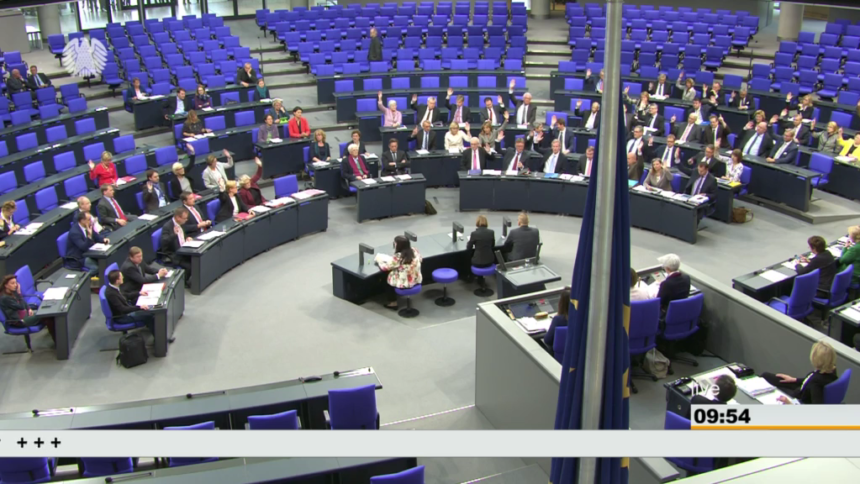
: Wir veröffentlichen: Satire-Schranke für „Fake-News“-Gesetz Eine Änderung am sogenannten Fake-News-Gesetz soll Satire-Produktionen und die Tradition des 1. April wahren. Medienverlage haben entsprechende Lücken im Gesetz zuvor moniert.
-
: Update für dein Liebesleben: Diese Apps bringen euch zusammen

: Update für dein Liebesleben: Diese Apps bringen euch zusammen Extra duschen, weil die andere Person zu Besuch kommt, aufräumen oder kochen? Come on!
-
: 9 Fragen an einen netzpolitik.org-Praktikanten, die du dich niemals trauen würdest zu stellen

Der interviewte Praktikant möchte unerkannt bleiben. : 9 Fragen an einen netzpolitik.org-Praktikanten, die du dich niemals trauen würdest zu stellen Wolltest du schon immer mal das Passwort eines netzpolitik.org-Praktikanten erfahren? Dann lies hier weiter!
-
: Think positive: IchMagDenStaat.de gelauncht!
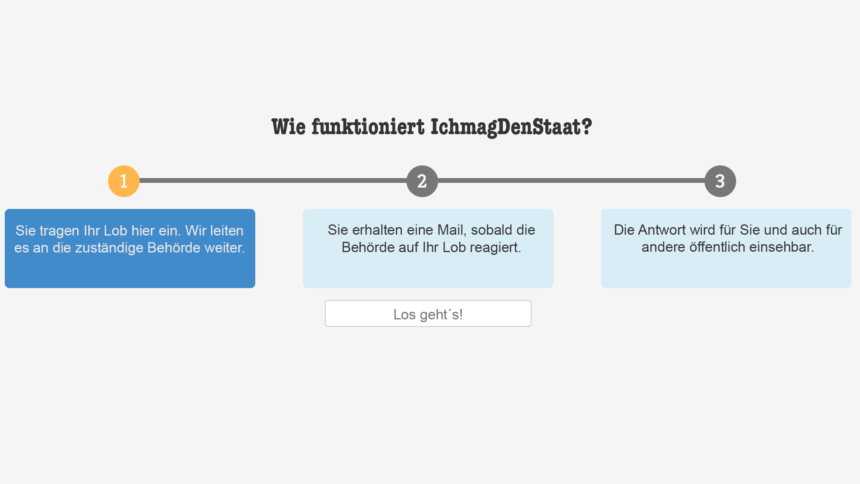
So einfach geht der neue Service! : Think positive: IchMagDenStaat.de gelauncht! Ein neues Online-Portal macht es möglich, einfach und unkompliziert Liebesbekundungen an die Verwaltung zu senden. Natürlich nur nach vorheriger Prüfung und für Nutzer mit berechtigtem Interesse.
-
: Live-Blog zur US-Präsidentschaftswahl: Trump gewinnt überraschend
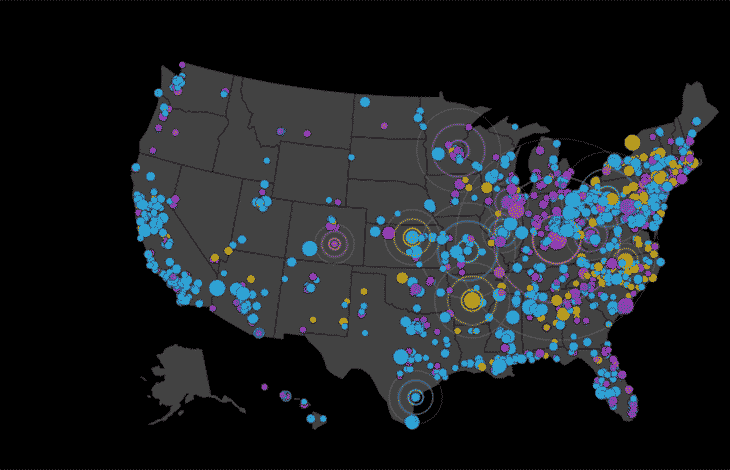
: Live-Blog zur US-Präsidentschaftswahl: Trump gewinnt überraschend Wir haben uns spontan entschlossen, live die US-Präsidentschaftswahl zu bloggen und haben die Redaktionsräume zum Wahlstudio umfunktioniert. Der Fokus des Liveblogs liegt auf Netzthemen, Datenvisualisierungen, Tools, digitalkulturellen Aspekten und anderen Dingen, die uns spannend und berichtenswert erscheinen.
-
: Facebook löscht 100.000 Inhalte aus Deutschland – Bundesregierung weiß von nichts

<a href="https://creativecommons.org/licenses/by/2.0/" >CC BY 2.0</a> by <a href="https://www.flickr.com/photos/zeevveez/7186553884/" >zeevveez</a> : Facebook löscht 100.000 Inhalte aus Deutschland – Bundesregierung weiß von nichts Facebook will im August 100.000 Inhalte aus Deutschland gelöscht haben. Die Bundesregierung weiß aber nichts darüber und will wohl auch nicht wissen, ob darunter auch strafbare Inhalte waren. Währenddessen warnt der UN-Sonderberichterstatter für die Meinungsfreiheit vor einer Privatisierung der Rechtsdurchsetzung auf Plattformen wie Facebook.
-
: Mehr parlamentarische Kontrolle für Europol: Geht das überhaupt?

Der bestimmt auf ewig letzte britische Europol-Präsident Rob Wainwright beim Weltwirtschaftsforum in Davos. (Bild: Europol) : Mehr parlamentarische Kontrolle für Europol: Geht das überhaupt? Die neue Europol-Verordnung erweitert die Kompetenzen für die EU-Polizeiagentur – darunter mehr Zugang zu Datenbanken, mehr Datentausch mit privaten Stellen und eine Meldestelle zur Entfernung von Internetinhalten. Ein parlamentarischer Kontrollausschuss soll für Aufsicht sorgen, bleibt jedoch zahnlos.
-
: Heute live: Unsere dritte „Das ist Netzpolitik!“-Konferenz in Berlin
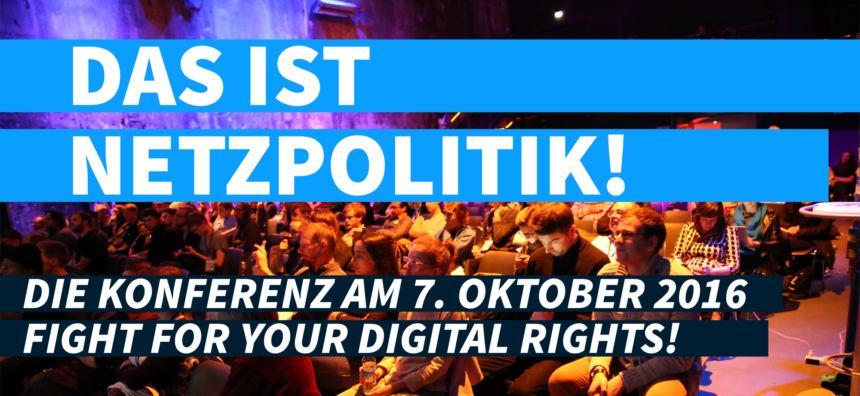
: Heute live: Unsere dritte „Das ist Netzpolitik!“-Konferenz in Berlin Heute findet in Berlin zum dritten Mal unsere „Das ist Netzpolitik!“-Konferenz statt. Wir haben ein umfassendes Programm zusammengestellt Zusammen mit vielen Experten werden wir über die Entwicklung von Netzpolitik in Deutschland und international diskutieren. Und dabei auch einen Blick auf die Debatten der Gegenwart und Zukunft zu werfen.
-
: „Das ist Netzpolitik“-Konferenz und Party am Freitag: Von Urheberrecht und Überwachung bis Künstlicher Intelligenz

: „Das ist Netzpolitik“-Konferenz und Party am Freitag: Von Urheberrecht und Überwachung bis Künstlicher Intelligenz Kommenden Freitag findet unsere dritte „Das ist Netzpolitik!“-Konferenz in Berlin statt. Zusammen mit vielen Experten werden wir über die Entwicklung von Netzpolitik in Deutschland und international diskutieren. Und dabei auch einen Blick auf die Debatten der Gegenwart und Zukunft werfen.
-
: Interview: Warum ein Abmahnbeantworter, der Antwortschreiben generiert?

: Interview: Warum ein Abmahnbeantworter, der Antwortschreiben generiert? Wir haben in einem Interview die Juristin Beata Hubrig über den Abmahnbeantworter befragt, der unberechtigt Abgemahnten einfache Hilfe anbieten will. Sie erklärt uns, warum sich Aktivisten aus der Freifunk- und Tor-Community auf diese Weise zur Wehr setzen. Sie äußert sich auch zu der Kritik, Chaos Computer Club und Freifunk würden mit dem Abmahnbeantworter einen „Hoax“ verbreiten.
-
: Bundesnachrichtendienst lädt ein: Tipps zum Tag der offenen Tür der Bundesregierung

Die neue BND-Zentrale in Berlin lädt zum Besuch. Foto: <a href="https://www.flickr.com/photos/thornet/14837869483/sizes/o/">thornet_ (Flickr)</a> [<a href="https://creativecommons.org/licenses/by-sa/2.0/">CC BY-SA 2.0</a>] : Bundesnachrichtendienst lädt ein: Tipps zum Tag der offenen Tür der Bundesregierung Am Wochenende veranstaltet die Bundesregierung ihren jährlichen Tag der offenen Tür. Wir stellen Veranstaltungen vor, die netzpolitisch interessant sind – darunter Besuche beim Bundesnachrichtendienst, Live-Hacking des Innenministeriums und Ausstellungen zum Breitbandausbau.