In Deutschland haben wir in den vergangenen Jahren gegen alle möglichen Themen zu Passdokumenten gekämpft wie: biometrische Daten, elektronische Signaturen, einheitliche Identifikationsnummern, die Kombination von offiziellen Datenbanken und die Vermischung von hoheitlichen und kommerziellen Interessen. Mit einem ungläubigen Stirnrunzeln haben wir daher im letzten Jahr die Meldung aufgenommen, dass Nigerias Personalausweise künftig eine Kreditkarte von Mastercard enthalten sollen.
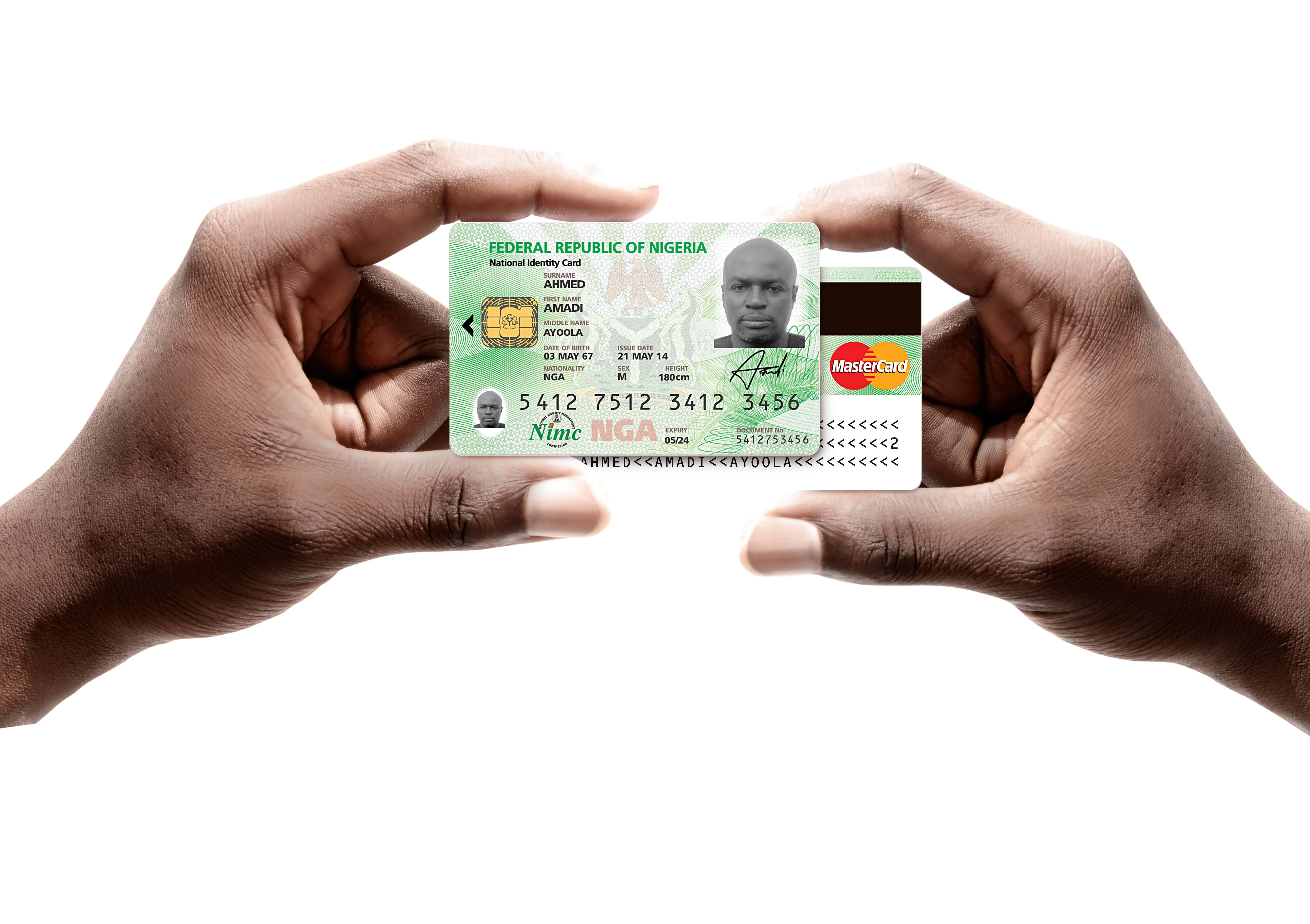
Jetzt ist es tatsächlich umgesetzt. Am Donnerstag nahm Nigerias Präsident Goodluck Jonathan die erste nationale eID-Karte entgegen, hergestellt von der Nigerian Identity Management Commission (NIMC) zusammen mit der Kreditkartengesellschaft Mastercard:
To receive the eID card, Nigerians aged 16 and above need to register at one of the hundreds of NIMC enrollment centers nationwide. The enrollment process involves the recording of an individual’s demographic data and biometric data (capture of 10 fingerprints, facial picture and Iris) to authenticate the cardholder and ensure that there are no duplicates on the system. Upon registration, NIMC issues each Nigerian with a unique National Identification Number (NIN), followed by the national eID card.
Diese staatlichen Dienste sollen damit möglich gemacht werden:
NIMC is working with several government agencies to integrate and harmonize all identity databases including the Driver’s License, Voter Registration, Health Insurance, Tax, SIM and the National Pension Commission (PENCOM) into a single, shared services platform.
Aber natürlich hat auch Mastercard mehr davon als das Firmenlogo auf jeder Karte: Die Personalausweise funktionieren gleichzeitig als Kreditkarte. Daniel Monehin, MasterCard-Sprecher:
This is a memorable occasion for MasterCard as we witness the start of a financial inclusion program that is unprecedented in scale and scope. Combining an identity card with MasterCard’s prepaid payment capability creates a game changer as it breaks down one of the most significant barriers to financial inclusion – proof of identity – while simultaneously enabling Nigerians to access the global economy.
Doch nicht allen gefällt das, wie Inga Hinnenkamp auf DRadio Wissen berichtet:
Doch die Bürger sind nicht begeistert. Vor allem auch, weil die Regierung für die Super-ID eine Kooperation mit Mastercard geschlossen hat.
Die Menschen in Nigeria fürchten, dass das US-Unternehmen Mastercard somit auch Zugriff auf sensible Daten erhält. Außerdem darf Mastercard sein Firmenlogo auf die ID drucken. Auch das sorgt für Ärger.