Schlagwort: Peru
-
Interaktive Karte: Amnesty kritisiert Einschränkung der Versammlungsfreiheit in Deutschland
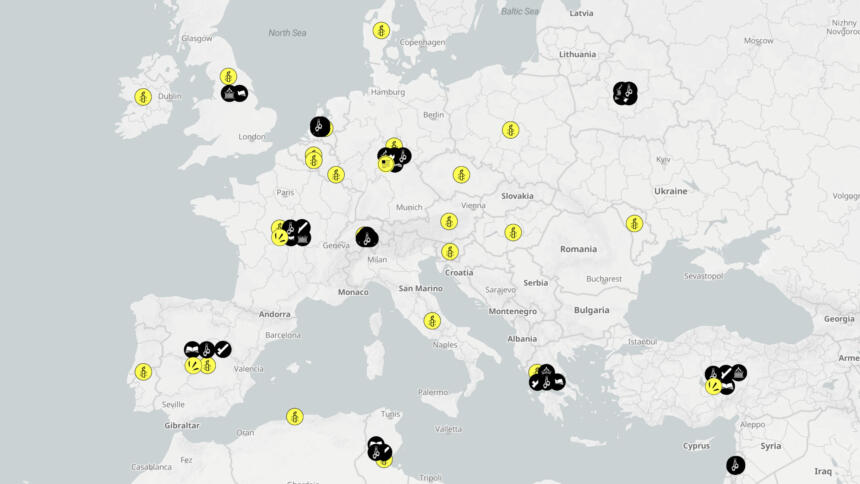
Auf einer interaktiven Karte kann man sich die einzelnen Länderberichte anschauen. Interaktive Karte: Amnesty kritisiert Einschränkung der Versammlungsfreiheit in Deutschland Mit einer neuen interaktiven Karte veranschaulicht Amnesty International Verletzungen der Versammlungsfreiheit weltweit. Auch Deutschland steht in der Kritik, weil das Grundrecht in den letzten Jahren in Gesetz und Praxis immer weiter eingeschränkt wird.
-
: Peru: Gesetzesinitiative fordert komplette Zensur aller Pornografie
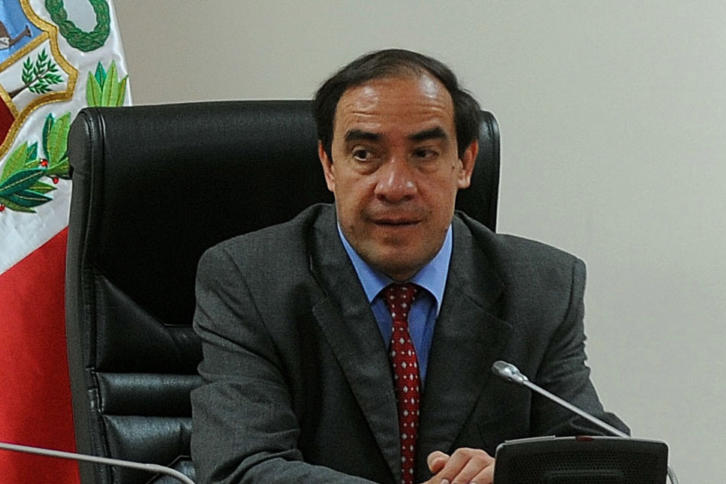
Yonhy Lescano will Pornografie in Peru verbieten. (Archivbild) Foto: <a href="https://creativecommons.org/licenses/by/2.0/">CC-BY 2.0</a> | <a href="https://www.flickr.com/photos/congresoperu/6384313685/in/photolist-8YckPS-8YcnvA-8YciCC-aJagM2-aJah2T">Congreso de la República del Perú</a> : Peru: Gesetzesinitiative fordert komplette Zensur aller Pornografie Bürgerrechtler in Peru stellen sich gegen eine Gesetzesinitiative zum Verbot von Pornografie im Internet. Sie kritisieren die Einschränkung ihrer Freiheit und fürchten vor allem, dass mit der Errichtung einer Zensurinfrastruktur bald mehr Inhalte blockiert werden könnten.
-
: Peru führt Vorratsdatenspeicherung ein
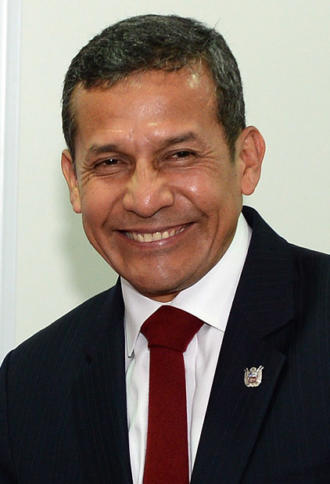
: Peru führt Vorratsdatenspeicherung ein Per Dekret hat der peruanische Präsident Ollanta Humala seinem Land eine weitreichende Vorratsdatenspeicherung verordnet. Grundlage dafür ist eine vom Kongress ausgestellte Vollmacht, die es der Regierung erlaubt, eigenhändig Gesetze zu erlassen, um die öffentliche Sicherheit zu schützen und gegen Kriminalität vorzugehen.